


Thought Leadership
July 29, 2026
Annual secondaries transaction volume - growing faster than any other private markets strategy
Of underlying fund positions a single secondaries portfolio may hold — each with unique terms, vintage, and valuation
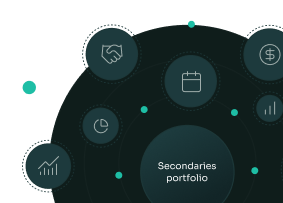
LP stake acquisitions, GP-led continuation vehicles, and fund-of-funds all requiring different data models on one platform.
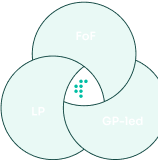

LP stake acquisitions, GP-led continuation vehicles, and fund-of-funds structures handled natively - including follow-ons, restructurings, and mid-life asset changes.

Drill from fund-level NAV to individual underlying position in a single view. Every asset, every vintage, every GP - connected to the deal that brought it into your portfolio.

Al-powered document ingestion processes fund financials, ILPA data packages, and GP reports in minutes — so your team spends time on pricing, not extraction.

Multi-fund, multi-vintage, multi-currency LP reports generated directly from live underlying data — not assembled from separate spreadsheets at quarter-end.


Every underlying position connected to the
deal that holds it and the LP it reports to.

Multi-currency NAV calculated from live
underlying data, not quarterly estimates.

IRR, MOIC, DPI, TVPI by fund, vintage,
manager, and strategy — live.

LP stakes, GP-led, continuation vehicles,
and
FoF — one data model, no
workarounds.

Encrypted at rest, HTTPS in transit,
RBAC,
full audit trails.

Capital account statements and LP reports
from live data — quarter-end in days.

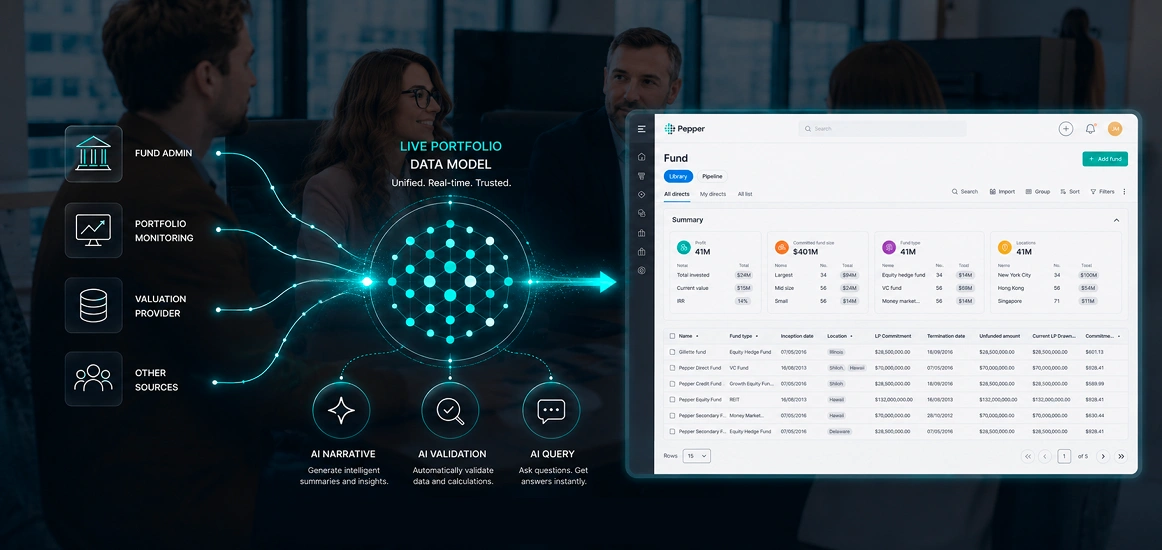
Pepper Al ingests GP reports automatically, surfaces comparable transactions at bid time, detects NAV anomalies before marks reach LPs, and generates LP report narratives from live portfolio data - all on your structured investment data, not generic models.

From deal evaluation to LP reporting, every workflow in the secondaries lifecycle runs on Pepper's unified data spine - so your team stops rebuilding the picture from disparate GP reports and fund admin exports.
 Deal pipeline
 Document & data
  LP stake tracking
 GP-led & continuation
  Underlying fund
  NAV & portfolio
  Cash flow &
  Compliance & risk
  GP & LP relationship
 Fundraising & investor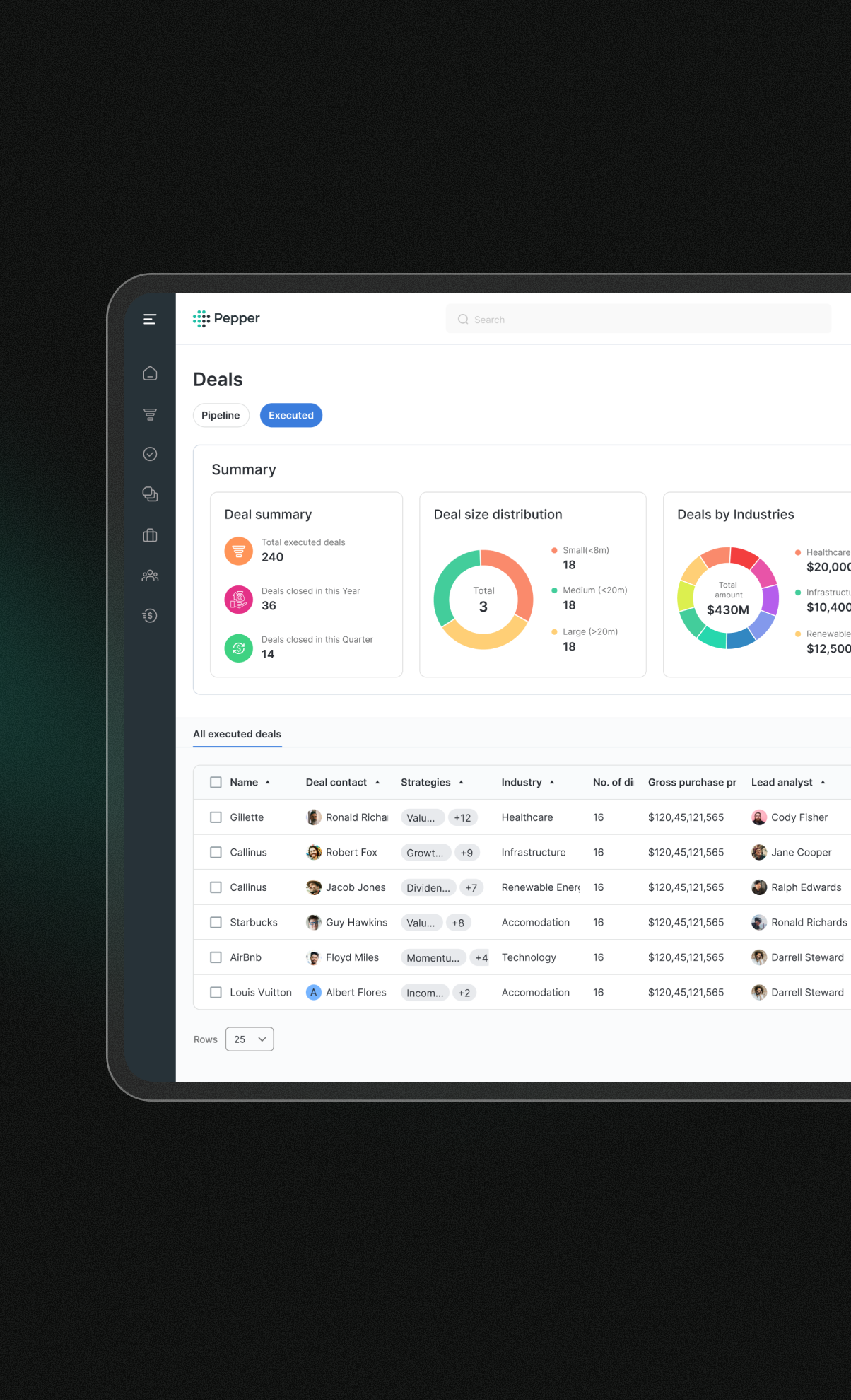
Hundreds of underlying positions. Multiple structures. Multi-currency NAV. Quarter-end LP reports. All of it running on a combination of tools never designed for secondaries. Pepper replaces the patchwork.
PDF, Excel, CSV, portal exports - each requiring manual normalisation before any analysis can begin
Each LP stake or fund interest in its own file, with no common data model connecting position data to deal context or LP obligations
Quarter-end mark calculated by aggregating estimates from dozens of GPs — with no version control and no audit trail between source and output
IR team spending 10-15 days pulling data from fund admin, portfolio spreadsheets, and GP reports into LP-specific formats
Pricing a new secondaries opportunity requires manually pulling historical data from past deals - a process that takes hours and is often skipped under time pressure
Pepper Al ingests GP reports, ILPA packages, and fund financials automatically - extracting structured data regardless of source format. One clean dataset from every GP, ready for analysis without manual reformatting.
Pepper tracks all investments simultaneously across Investment, Fund, Portfolio, and Asset levels — with seamless drill-down into any position and roll-up using any hierarchy: by fund, strategy, vintage, geography, or manager. No manual aggregation.
Multi-currency NAV calculated from structured underlying data as GP reports arrive. Pepper Al flags statistical anomalies - marks moving out of range, valuations diverging from comparable funds - before they reach LPs or auditors.
Pepper Al assembles first-draft LP report narratives - performance summary, vintage attribution, capital activity, portfolio highlights - from structured data each quarter. Your IR team reviews and approves. Reports go out in days, not weeks.
Pepper Al surfaces relevant historical transactions — same GP, similar vintage, overlapping underlying exposures, comparable pricing multiples - at the moment of evaluation. Your team prices with context from your own deal history, not memory.

Secondaries due diligence is document-intensive, time-compressed, and highly dependent on comparable context. Pepper Al addresses all three - operating on the structured investment data your team has built in the platform, not on generic training data that has no understanding of your portfolio.


See how Pepper AI turns a CIM into a structured deal record by extracting key financials and scoring it against your mandate.
View fund intelligence guide
ILPA data packages, GP financial reports, fund statements, and offering documents processed in minutes. NAV, IRR, MOIC, DPI, capital account balances, and unfunded commitments extracted and mapped to deal records automatically.
Time saved: 4-8 hours per deal on document extraction and data entry

Run vintage-level, strategy-level, and manager-level stress scenarios across your secondaries portfolio simultaneously - rate sensitivity, default cycles, distribution timing shifts. Your IC sees the full sensitivity range before approving a bid.
Output: IC-ready scenario tablesfrom live underlying data

Financial deterioration patterns across underlying fund companies detected automatically as quarterly GP reports arrive - margin compression, cash flow deterioration, coverage ratio trends - flagged before they surface in a NAV write-down.
Use case: Early identification of deteriorating underlying positions

Pepper's Due Diligence Agent runs autonomously across the full pre-investment workflow
- purpose-built for the deal volume and evaluation intensity of private equity origination.
The agent ingests the CIM and management presentation, extracts financials and operational KPls, screens
the company against your investment criteria and mandate, surfaces comparable transactions from your deal
history, flags sector, leverage, and management risk factors, and assembles a first-draft IC memo - all
before your analyst has finished reading the executive summary.
The agent doesn't make investment decisions. It eliminates the hours of data assembly, document
extraction, and formatting that precede them - so your team arrives at the analysis and conviction stage
with a fully structured view of the deal already in hand. Every output is traceable to a source document
and overridable at any point.
Full workflow: CIM ingestion → financial extraction → mandate screening → comparable surfacing → risk flagging → IC memo first draft
Practitioner-level insights on secondaries operations, Al in deal evaluation, and building scalable infrastructure for a high-volume strategy.

Thought Leadership
July 29, 2026

AI Insights
July 29, 2026

Thought Leadership
August 10, 2026
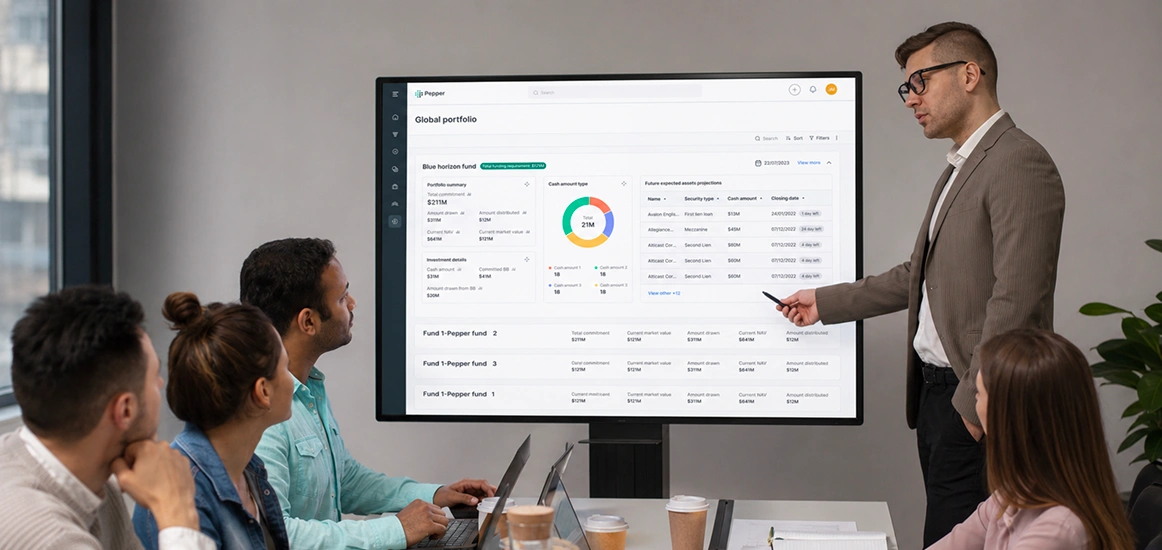
AI Insights
July 28, 2026

By providing your email, you will shortly receive the latest report from Pepper.
In a 45-minute session, we'll walk you through how Pepper handles the workflows your team runs today — deal management, portfolio monitoring, fund operations, or LP reporting. You pick the priority.
Not a sales call. A 30-minute conversation with a Pepper practitioner about where your operation is today, where the pressure points are, and whether a platform approach makes sense for your stage of growth.